Eat Smarter

Nutrition & Fueling

Nutrition strategies for energy, longevity, and metabolic health.

64
People
37
Books
8
Protocols
130
Total

People

(64)
View All
Featured

Bryan Johnson

Entrepreneur & Biohacker

Bryan Johnson founded the payments company Braintree and later Kernel, a company that develops tools for measuring brain activity. With Blueprint, he turned the focus of measurement on himself: he records what he eats, how he sleeps and trains, and how his test results change over time.

WorkSleepNutrition
David Sinclair
Featured

David Sinclair

PhD, Professor of Genetics

David Sinclair is a geneticist who studies aging and co-wrote Lifespan.

WorkSleepNutrition
Featured

Peter Attia

MD, Longevity Expert

Peter Attia is a physician and co-author of Outlive. His work covers exercise, preventive medicine and aging.

WorkSleepNutrition
Rhonda Patrick
Featured

Rhonda Patrick

PhD, Biomedical Scientist

Rhonda Patrick is a biomedical scientist and co-founder of FoundMyFitness. She uses long-form interviews and research explainers to examine questions about micronutrients, exercise, heat exposure and aging. A recurring feature of her work is following a proposed mechanism from what happens inside a cell to what researchers can actually measure in people.

WorkSleepNutrition

Alisa Vitti

Author

Alisa Vitti founded FLO Living and wrote WomanCode and In the FLO. The second book takes the menstrual cycle as its organizing principle. Vitti walks readers through its phases and describes how she adjusts meals, exercise and work around them. Her term for that approach is “cycle syncing.”

WorkSleepNutrition

Aubrey Marcus

Author

Aubrey Marcus founded the fitness company Onnit and hosts long-form conversations on the Aubrey Marcus Podcast. His book Own the Day, Own Your Life is structured around a single day, following a reader from waking through meals, work, training and bedtime. It gives his ideas about performance a concrete setting: the ordinary decisions that recur tomorrow.

WorkSleepNutrition

Books

(37)
View All
Featured

Outlive

Peter Attia with Bill Gifford

Peter Attia, writing with Bill Gifford, starts with the activities he wants to retain late in life and works backward to the capacities they require. The book connects that exercise with discussions of cardiovascular disease, cancer, metabolic illness and neurodegeneration. Sleep and emotional health receive attention alongside aerobic fitness and strength.

2023
ExerciseNutritionSleepMind
Featured

Lifespan

David A. Sinclair with Matthew D. LaPlante

David A. Sinclair, writing with Matthew D. LaPlante, asks whether aging can be understood as a loss of cellular information. Experiments in yeast and mice provide the starting point for his argument about gene regulation and aging. Later chapters consider what a longer healthy lifespan might mean for families, institutions and medicine.

2019
NutritionExercise
Featured

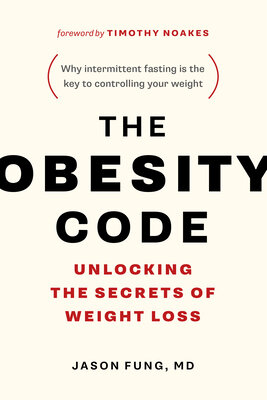
The obesity code

Jason Fung

Jason Fung asks why weight often returns after a period of calorie restriction. He develops an argument about insulin and the timing of meals, drawing on the history of dieting and his experience as a clinician. The later chapters explain how intermittent fasting fits into his approach. Readers can follow the reasoning behind his proposal while distinguishing his interpretation from the broader set of explanations for weight change.

2016328 pages
Nutrition
Featured

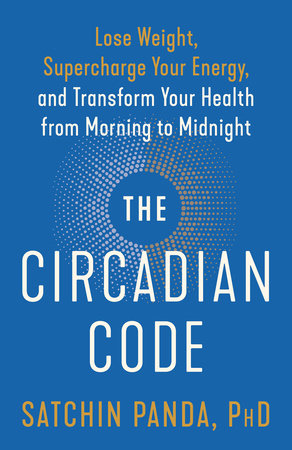
The circadian code

Satchin Panda

Satchin Panda follows the body’s clocks through an ordinary day, from the morning’s first light to the timing of the last meal. He describes experiments on feeding schedules and asks how their results relate to human routines, including shift work. The book invites readers to look at when they eat, sleep and move as well as how much of each they do.

2020288 pages
SleepNutrition

The Optimized Human

A beginner's guide to biohacking

Teemu Arina, Olli Sovijärvi and Jaakko Halmetoja

Teemu Arina, Olli Sovijärvi and Jaakko Halmetoja introduce readers to adapting health routines to their own circumstances. They bring together science, diet and tools for observing everyday behavior, with the aim of turning a large range of possible interventions into a manageable plan. This introductory work is distinct from their larger reference handbook.

SleepNutritionExerciseWorkMind

Biohacker’s Flu Guide

Fortifying Yourself Against Pathogens

Teemu Arina and Olli Sovijärvi

This short guide by the Finnish Biohacker team surveys infection prevention from several perspectives. It begins with transmission and immune responses, then moves through indoor air, hygiene, travel and the authors’ review of foods and supplements. It captures the team's thinking during the early pandemic period, including its interest in self-tracking and the limits of prevention claims.

5.0
NutritionSleep

Protocols

(8)
View All
Featured
NutritionEasy$

Foundational Supplement Stack

Creatine, vitamin D, omega-3, magnesium. About $35/month, and that's the whole list.

Rhonda Patrick

2 habits
Ongoing, daily
~$35/mo
Featured
NutritionModerateFree

Time-Restricted Eating

Eat inside a 8-10 hour window. The boundary is the intervention.

Satchin Panda

2 habits
Ongoing, daily
Free
NutritionHard$$

Blueprint-Style Protocol

The most measured protocol in existence, at $361/month. The $35 version gets most of it.

Bryan Johnson

2 habits
Ongoing, daily + quarterly testing
~$361/mo
NutritionEasy$

Cruciferous Vegetables Daily

Broccoli sprouts and mustard seed. The cheapest way to hit the sulforaphane literature.

Rhonda Patrick

1 habit
Ongoing, daily
~$20/mo
NutritionEasyFree

Hydration with Electrolytes

Water and a pinch of salt before coffee. You wake up dehydrated.

Andrew Huberman

1 habit
Ongoing, on waking
Free
NutritionModerateFree

No Food Three Hours Before Bed

Stop eating early. Free, and it improves sleep and glucose at once.

Bryan Johnson

1 habit
Ongoing, daily
Free

Articles

(21)
View All

7 Food Habits That Help You Live Longer (Without Spending More)

# 7 Everyday Food Habits for Longevity Without Breaking the Bank Unlocking a longer, healthier life doesn't demand pricey superfoods or trendy supplements—it's often as simple as tweaking your daily ...

Liberture Team4 min
Nutritionbiohacking

5 “Healthy” Habits That Actually Can Quietly Raise Inflammation

# 5 "Healthy" Habits That Secretly Fuel Inflammation In the biohacking world, we chase optimization through intense workouts, strict fasting, and supplement stacks. But what if these "upgrades" are s...

Liberture Team4 min
Nutritionbiohacking

Wellness Trends for 2026: 5 to Follow, 5 to Avoid

# 2026 Biohacking Trends: 5 Science-Backed Strategies to Adopt, 5 Hype-Driven Fads to Skip As 2026 unfolds, biohacking evolves beyond flashy gadgets and miracle cures toward **evidence-based, persona...

Liberture Team3 min
Nutritionbiohacking

How to Improve Food Nutrition Without Supplements

# Maximizing Nutrient Absorption: A Science-Based Guide to Getting More From Your Food You've stocked your kitchen with organic vegetables, invested in premium whole grains, and carefully selected nu...

Liberture Team3 min
Nutritionbiohacking

Intermittent Fasting: Protocols and Science

Intermittent fasting studies can change several things together: meal timing, total energy intake and the number of eating occasions.

Liberture1 min
Nutritionfastingintermittent-fasting

Magnesium: The Most Underrated Mineral

Magnesium participates in normal nerve and muscle function.

Liberture1 min
Nutritionmagnesiumminerals

Vitamin D: The Sunshine Vitamin for Immunity and Mood

Vitamin D can be synthesized in skin after UV exposure and can also come from food or supplements.

Liberture1 min
Nutritionvitamin-dsupplements

Autophagy and Intermittent Fasting

Fasting changes nutrient availability, one of several signals involved in cellular recycling.

Liberture1 min
Nutritionintermittent fastingautophagy

Protein Timing and Muscle Protein Synthesis

Muscle proteins are continually built and broken down.

Liberture1 min
NutritionProtein

Intermittent Fasting Protocols: Finding Your Optimal Window

An eating window needs to fit the meals a person actually needs.

Liberture1 min
NutritionFastingAutophagy

Metabolic Flexibility: Training Your Body to Burn Fat and Glucose

Metabolic flexibility refers to the ability to adjust fuel use as conditions change, for example between rest and exercise or before and after a meal.

Liberture1 min
NutritionMetabolismKetosis

Meal Prep for Consistent Nutrition

Meal preparation is easier to sustain when it solves a recurring bottleneck.

Liberture1 min
Nutritionmeal-prep

Fiber and Gut Health: The Microbiome Connection

Dietary fiber includes substances that resist digestion in the small intestine.

Liberture1 min
Nutritionfibergut-health

Electrolytes and Hydration: Beyond Water

Sweat contains both water and dissolved salts.

Liberture1 min
Nutritionelectrolyteshydration

Polyphenols and Gut Microbiome Health

Polyphenols are a diverse group of compounds in plant foods.

Liberture1 min
Nutritionpolyphenolsgut-health

Vitamin D: Dosing, Testing, and Optimization

Vitamin D status is usually assessed with a blood measurement of 25-hydroxyvitamin D.

Liberture1 min
Nutritionvitamin-dsupplementation

Circadian Fasting: Aligning Eating with Your Clock

Two people can have the same eating window and very different schedules: one finishes dinner early, while the other eats most of their food late at night.

Liberture1 min
Nutritioncircadian-fastingtime-restricted-eating

Macronutrient Ratios for Different Goals

Macronutrient percentages describe how food energy is divided among carbohydrate, fat and protein.

Liberture1 min
Nutritionmacrosprotein

Glycemic Index and Metabolic Health

The glycemic index compares blood glucose responses to foods containing a standardized amount of available carbohydrate.

Liberture1 min
Nutritionglycemic-indexblood-sugar

Omega-3 Dosing for Brain and Heart Health

Omega-3 products can list total fish oil in large type while reporting EPA and DHA separately in smaller print.

Liberture1 min
Nutritionomega-3epa

Time-Restricted Eating: 16/8 Protocol Guide

The notation 16:8 describes sixteen hours outside an eating window and eight hours inside it.

Liberture1 min
Nutritionintermittent-fastingtime-restricted-eating

Liberture newsletter

Get articles and updates from Liberture by email.