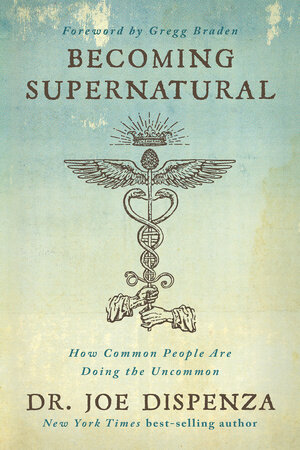
Joe Dispenza takes readers inside the meditation workshops where he developed the practices in this book. He asks participants to notice the emotions and memories they rehearse each day, then uses visualization, seated practice and walking meditation to explore what happens when they imagine a different future. Dispenza interprets workshop measurements and personal accounts through his ideas about consciousness and energy. Those stories help explain why people come to his workshops, though they cannot establish what caused a participant’s recovery.
A recurring running injury sends Christopher McDougall looking for people who can cover extraordinary distances on foot. In Mexico’s Copper Canyons, he meets Rarámuri runners and follows the preparations for a race that brings them together with American ultrarunners. The story of the race carries a wider inquiry into endurance, running shoes and the pleasure people find in running together.
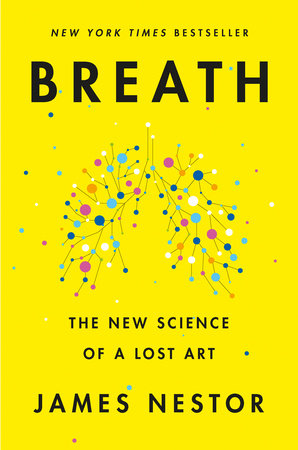
Journalist James Nestor asks what changed when humans changed the way they breathe. He reports on nasal breathing, visits researchers and practitioners, and describes taking part in an experiment comparing mouth and nose breathing. Historical accounts of breath training give context to the measurements and personal experiences he reports.
David A. Sinclair, writing with Matthew D. LaPlante, asks whether aging can be understood as a loss of cellular information. Experiments in yeast and mice provide the starting point for his argument about gene regulation and aging. Later chapters consider what a longer healthy lifespan might mean for families, institutions and medicine.
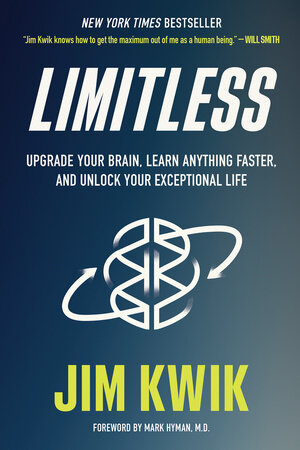
Jim Kwik divides learning difficulties into three questions: what a person believes they can do, what motivates them to begin and which method they use. He applies this framework to remembering names, reading and retaining information. The exercises draw on his experience teaching memory techniques and give readers tasks they can practice with familiar material.
Peter Attia, writing with Bill Gifford, starts with the activities he wants to retain late in life and works backward to the capacities they require. The book connects that exercise with discussions of cardiovascular disease, cancer, metabolic illness and neurodegeneration. Sleep and emotional health receive attention alongside aerobic fitness and strength.
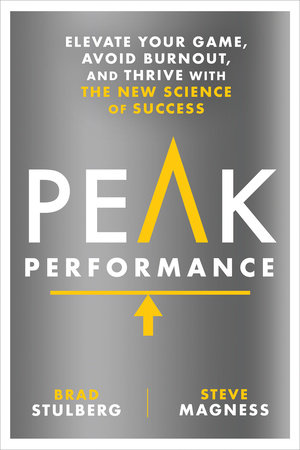
Brad Stulberg and Steve Magness look for common features of sustained performance in athletics, creative work and other demanding fields. They use training and recovery to explain why periods of concentration need periods of rest. Interviews and research examples also examine purpose, routine and the conditions under which effort turns into burnout.
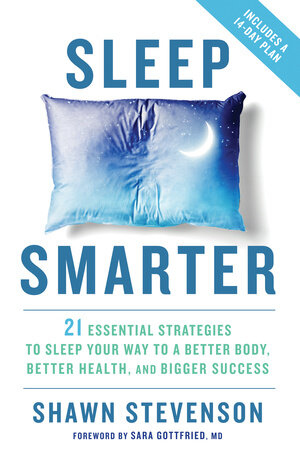
Shawn Stevenson organizes this sleep guide into 21 strategies. He discusses the timing of light exposure, caffeine, exercise and evening routines, alongside the physical setup of the bedroom. Each chapter turns a single part of the day or night into a question readers can ask about their own sleep environment.
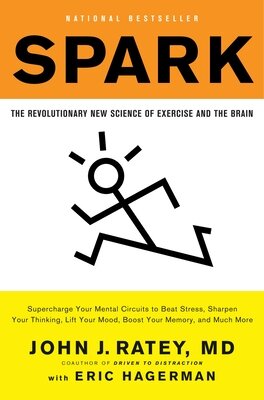
John Ratey and Eric Hagerman begin in a school district outside Chicago, where an unusual physical education program gives them a way to ask how movement affects learning. They follow that question into research on attention, stress and mood. Classroom reporting, clinical stories and explanations of changes in the brain give the book three different ways to examine what happens during and after exercise.
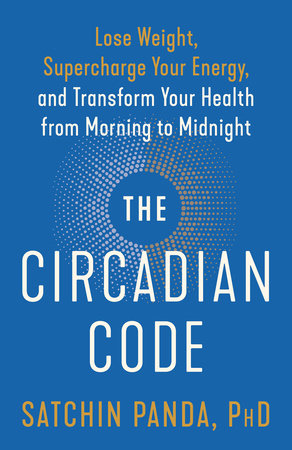
Satchin Panda follows the body’s clocks through an ordinary day, from the morning’s first light to the timing of the last meal. He describes experiments on feeding schedules and asks how their results relate to human routines, including shift work. The book invites readers to look at when they eat, sleep and move as well as how much of each they do.
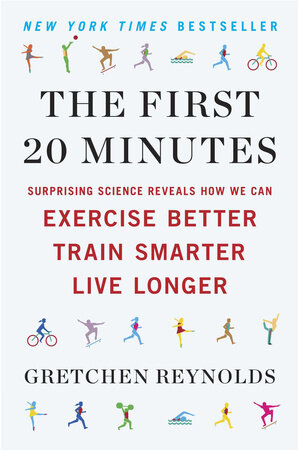
Gretchen Reynolds brings a reporter’s questions to exercise research: how much activity makes a difference, what happens when people sit for most of the day, and which training habits have survived better tests? She moves between experiments and practical dilemmas about stretching, recovery and endurance. The title points to one of her interests throughout the book, the difference between getting started and training for a competitive goal.
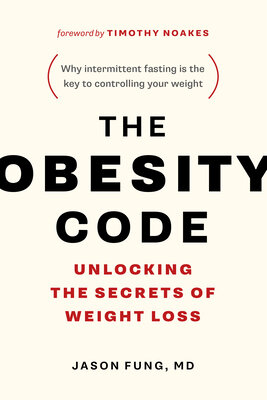
Jason Fung asks why weight often returns after a period of calorie restriction. He develops an argument about insulin and the timing of meals, drawing on the history of dieting and his experience as a clinician. The later chapters explain how intermittent fasting fits into his approach. Readers can follow the reasoning behind his proposal while distinguishing his interpretation from the broader set of explanations for weight change.
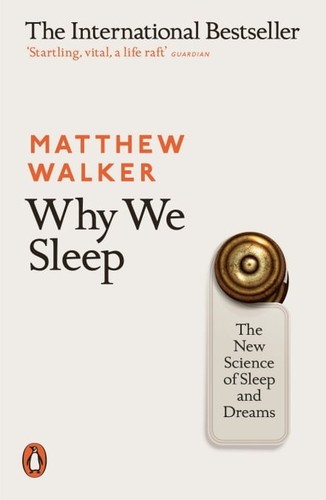
Sleep scientist Matthew Walker explains how the stages of sleep change over a night and across a lifetime. He draws on studies of learning, memory, emotion and dreaming before turning to how work schedules and school start times influence sleep opportunities. The book places social decisions alongside the biology of the sleeping brain.
This short guide by the Finnish Biohacker team surveys infection prevention from several perspectives. It begins with transmission and immune responses, then moves through indoor air, hygiene, travel and the authors’ review of foods and supplements. It captures the team's thinking during the early pandemic period, including its interest in self-tracking and the limits of prevention claims.
Michael Greger and Gene Stone organize the first part of this book by major causes of death, asking what studies say about the relationship between diet and each condition. The second part shifts from diseases to foods. Greger’s Daily Dozen checklist gives readers a concrete example of the plant-centered eating pattern he advocates.
James Clear starts with a question familiar to anyone who has abandoned a resolution: what makes a behavior easy to repeat tomorrow? He breaks habits into cues, cravings, responses and rewards, then shows how to change the surroundings that support each part. His examples range from leaving a guitar in sight to recording each practice session as evidence of the kind of person one wants to become.
Gerald Pollack describes laboratory observations of water near certain surfaces, including regions from which particles appear to be excluded. He proposes that these regions represent a distinct phase and uses the idea to interpret familiar water phenomena. The book develops Pollack’s model and illustrates the experiments behind it; the broader claims remain contested.
Michael Pollan reconstructs the history of psychedelic research, from early clinical experiments through prohibition and renewed scientific interest. Interviews with researchers and guides alternate with accounts of his own experiences. The reporting follows how people interpret altered consciousness, and why those interpretations matter in clinical trials.
The Original Science of Self-Improvement and Success That Has Changed the Lives of 30 Million People
Maxwell Maltz, edited and updated by Dan S. Kennedy and the Psycho-Cybernetics Foundation
Dan S. Kennedy revisits Maxwell Maltz’s Psycho-Cybernetics, a book shaped by Maltz’s experience as a plastic surgeon. Its organizing idea is that a person’s self-image guides behavior like a feedback system. The updated work develops that analogy through accounts of mental rehearsal, setbacks and the difference between changed appearance and changed expectations.
Brad Stulberg and Steve Magness look for common features of sustained performance in athletics, creative work and other demanding fields. They use training and recovery to explain why periods of concentration need periods of rest. Interviews and research examples also examine purpose, routine and the conditions under which effort turns into burnout.
4.2
TrabajoMenteEjercicio
Boletín de Liberture
Recibe artículos y novedades de Liberture por correo.