A recurring running injury sends Christopher McDougall looking for people who can cover extraordinary distances on foot. In Mexico’s Copper Canyons, he meets Rarámuri runners and follows the preparations for a race that brings them together with American ultrarunners. The story of the race carries a wider inquiry into endurance, running shoes and the pleasure people find in running together.
Ejercicio y condición física
Entrenamiento y movimiento para conservar la capacidad física a lo largo de la vida.
Personas
(38)Bryan Johnson
Entrepreneur & Biohacker
Bryan Johnson founded the payments company Braintree and later Kernel, a company that develops tools for measuring brain activity. With Blueprint, he turned the focus of measurement on himself: he records what he eats, how he sleeps and trains, and how his test results change over time.
Peter Attia
MD, Longevity Expert
Peter Attia is a physician and co-author of Outlive. His work covers exercise, preventive medicine and aging.

Wim Hof
The Iceman
Wim Hof is a Dutch endurance athlete whose public demonstrations earned him the nickname the Iceman. He drew attention by swimming under ice and spending long periods surrounded by ice. What began as a personal fascination became a question other people could test: how much of his response to cold could someone else learn?
Aubrey Marcus
Author
Aubrey Marcus founded the fitness company Onnit and hosts long-form conversations on the Aubrey Marcus Podcast. His book Own the Day, Own Your Life is structured around a single day, following a reader from waking through meals, work, training and bedtime. It gives his ideas about performance a concrete setting: the ordinary decisions that recur tomorrow.
Ben Greenfield
Author
Ben Greenfield is a fitness writer and endurance athlete who writes about training and recovery.
Brad Stulberg
Author
Brad Stulberg writes about sustaining demanding work over time. He and running coach Steve Magness co-wrote Peak Performance, drawing parallels between athletic training and creative work, particularly the role of recovery between hard efforts. In Master of Change, Stulberg takes up a related question: how to keep a sense of direction when familiar routines fall apart.
Libros
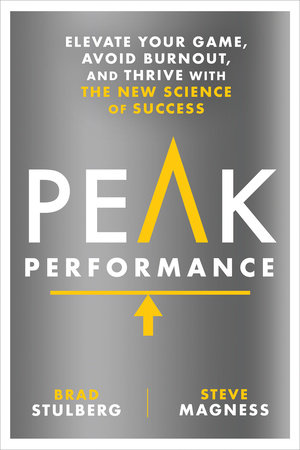
(31)Brad Stulberg and Steve Magness look for common features of sustained performance in athletics, creative work and other demanding fields. They use training and recovery to explain why periods of concentration need periods of rest. Interviews and research examples also examine purpose, routine and the conditions under which effort turns into burnout.

David A. Sinclair, writing with Matthew D. LaPlante, asks whether aging can be understood as a loss of cellular information. Experiments in yeast and mice provide the starting point for his argument about gene regulation and aging. Later chapters consider what a longer healthy lifespan might mean for families, institutions and medicine.
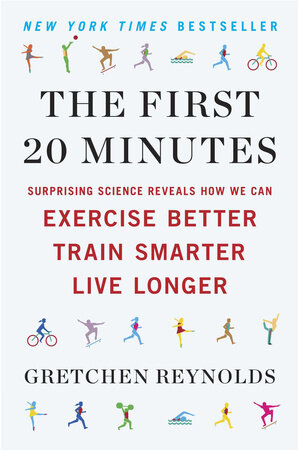
Gretchen Reynolds brings a reporter’s questions to exercise research: how much activity makes a difference, what happens when people sit for most of the day, and which training habits have survived better tests? She moves between experiments and practical dilemmas about stretching, recovery and endurance. The title points to one of her interests throughout the book, the difference between getting started and training for a competitive goal.
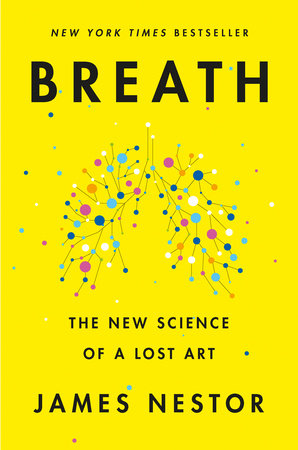
Journalist James Nestor asks what changed when humans changed the way they breathe. He reports on nasal breathing, visits researchers and practitioners, and describes taking part in an experiment comparing mouth and nose breathing. Historical accounts of breath training give context to the measurements and personal experiences he reports.
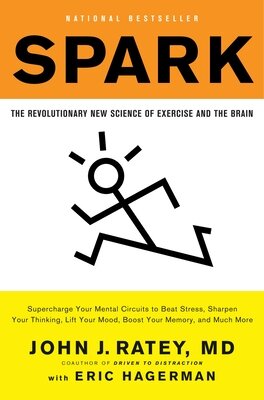
John Ratey and Eric Hagerman begin in a school district outside Chicago, where an unusual physical education program gives them a way to ask how movement affects learning. They follow that question into research on attention, stress and mood. Classroom reporting, clinical stories and explanations of changes in the brain give the book three different ways to examine what happens during and after exercise.
Protocolos
(9)Base de referencia para caminar diariamente
El suelo aeróbico. Libre, amigable con las articulaciones, y difícil de discutir.
Guías de actividad física
- 1 hábito
- En curso, 30-45 min/día
- Gratis
Engrasar el Groove
Practicar un levantamiento a menudo, nunca al fracaso — la fuerza como una habilidad.
Pavel Tsatsouline
- 4 hábitos
- En curso, 4-6 series cortas/día
- ~$30 único pago
Diariamente se cuelgan muertos
Treinta segundos en una barra. La fuerza de agarre predice más de lo que tiene derecho.
Guías de actividad física
- 1 hábito
- En curso, 60 a 90 segundos/día
- ~$30 único pago
Práctica de swing Kettlebell
Un movimiento, diez minutos, la mayor parte del patrón de bisagra que necesitarás.
Pavel Tsatsouline
- 1 hábito
- En curso, 10 min, 4-5×/semana
- ~$80 único pago
Fundamentos de entrenamiento de resistencia
Dos sesiones de cuerpo entero a la semana, donde la fuerza y la densidad ósea se mueven.
Guías de actividad física
- 1 hábito
- En curso, 2×45 min/semana
- ~$250 único pago + ~$40/mes
- 1 hábito
- En curso, 45-60 min, 1-2×/semana
- ~$40 único pago
Artículos
(16)Células NK: qué se investiga sobre su papel frente al cáncer
# Células NK: El último biohack para liberar su sistema inmunológico contra el cáncer Su cuerpo ya está equipado con asesinos de élite diseñados para cazar y destruir células cancerosas: **Asesino natural (NK) c...
Entrenamiento en zona 2 para desarrollar la flexibilidad metabólica
A un ritmo aeróbico fácil, el cuerpo utiliza una mezcla de combustibles.
Variar el movimiento: qué aporta el yoga al entrenamiento de gimnasio
Un programa de gimnasio puede repetir los mismos caminos de movimiento durante meses.
Entrenamiento de fuerza y longevidad: más allá de la estética
La fuerza es importante para la independencia porque las tareas cotidianas exigen un margen entre la fuerza disponible y la fuerza requerida.
Entrenamiento en zona 2: las bases de la salud metabólica
Las etiquetas de zona difieren entre los sistemas de tres zonas y cinco zonas.
Evaluación de patrones de movimiento funcional
Una pantalla de movimiento rompe una tarea compleja en observaciones repetibles.
Variabilidad cardíaca para evaluar la recuperación y la disposición a entrenar
Una puntuación de preparación puede combinar variabilidad de la frecuencia cardíaca con sueño, frecuencia cardíaca en reposo o actividad reciente.
Hábitos y niveles de testosterona
La testosterona varía con la hora del día y el estado de salud.
Estiramiento dinámico y estático: cuándo usar cada uno
El estiramiento dinámico mueve una articulación repetidamente a través de un rango cómodo.
Entrenamiento del umbral de lactato para mejorar la resistencia
A medida que aumenta la intensidad del ejercicio, cambia la velocidad a la que entra y sale del torrente sanguíneo.
Entrenamiento interválico de alta intensidad: cómo aprovechar sesiones breves
Intervalo de entrenamiento alterna trabajo exigente con recuperación.
Movilidad para la longevidad: una rutina diaria de 15 minutos
La movilidad combina el rango de movimiento con el control.
La fascia y la calidad del movimiento
Fascia es un tejido conectivo que rodea y une estructuras a todo el cuerpo.
Ejercicios compuestos para la salud muscular y metabólica
Los ascensores compuestos involucran varias articulaciones en un solo movimiento.
Entrenamiento de fuerza para la longevidad y la salud metabólica
El entrenamiento de resistencia le pide a los músculos que produzcan fuerza contra una carga.
Entrenamiento en zona 2: un pilar de la salud metabólica
Un entrenamiento fácil y útil es uno que se puede repetir.
Explora otros pilares
Liberture reúne seis pilares interconectados del rendimiento humano