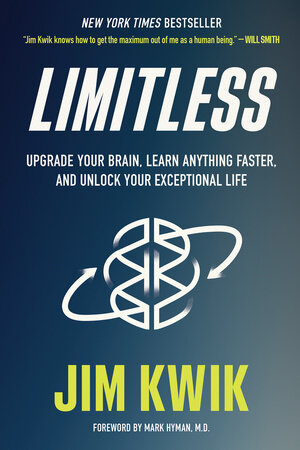
Jim Kwik divides learning difficulties into three questions: what a person believes they can do, what motivates them to begin and which method they use. He applies this framework to remembering names, reading and retaining information. The exercises draw on his experience teaching memory techniques and give readers tasks they can practice with familiar material.
Mente y salud mental
Desarrolla resiliencia, inteligencia emocional y fortaleza psicológica.
Personas
(38)
Andrew Huberman
Neuroscientist & Professor
Andrew Huberman is a neuroscientist and host of Huberman Lab, a podcast about neuroscience and human behavior.

Wim Hof
The Iceman
Wim Hof is a Dutch endurance athlete whose public demonstrations earned him the nickname the Iceman. He drew attention by swimming under ice and spending long periods surrounded by ice. What began as a personal fascination became a question other people could test: how much of his response to cold could someone else learn?
Aubrey Marcus
Author
Aubrey Marcus founded the fitness company Onnit and hosts long-form conversations on the Aubrey Marcus Podcast. His book Own the Day, Own Your Life is structured around a single day, following a reader from waking through meals, work, training and bedtime. It gives his ideas about performance a concrete setting: the ordinary decisions that recur tomorrow.
Ben Greenfield
Author
Ben Greenfield is a fitness writer and endurance athlete who writes about training and recovery.
Brad Stulberg
Author
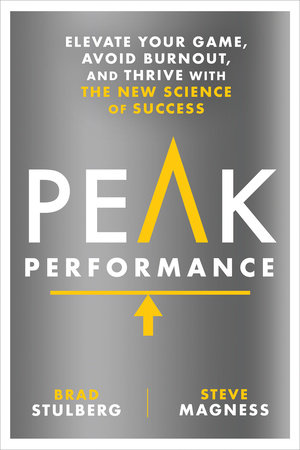
Brad Stulberg writes about sustaining demanding work over time. He and running coach Steve Magness co-wrote Peak Performance, drawing parallels between athletic training and creative work, particularly the role of recovery between hard efforts. In Master of Change, Stulberg takes up a related question: how to keep a sense of direction when familiar routines fall apart.

Charles Duhigg
Author
Charles Duhigg is a journalist and author of The Power of Habit, which explores how routines develop and change.
Libros
(39)Brad Stulberg and Steve Magness look for common features of sustained performance in athletics, creative work and other demanding fields. They use training and recovery to explain why periods of concentration need periods of rest. Interviews and research examples also examine purpose, routine and the conditions under which effort turns into burnout.

Peter Attia, writing with Bill Gifford, starts with the activities he wants to retain late in life and works backward to the capacities they require. The book connects that exercise with discussions of cardiovascular disease, cancer, metabolic illness and neurodegeneration. Sleep and emotional health receive attention alongside aerobic fitness and strength.
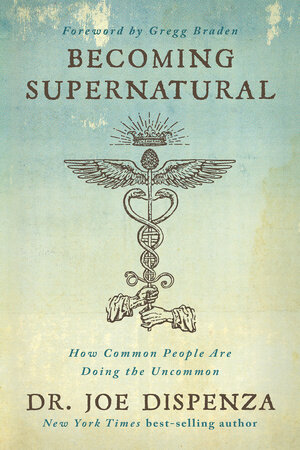
Joe Dispenza takes readers inside the meditation workshops where he developed the practices in this book. He asks participants to notice the emotions and memories they rehearse each day, then uses visualization, seated practice and walking meditation to explore what happens when they imagine a different future. Dispenza interprets workshop measurements and personal accounts through his ideas about consciousness and energy. Those stories help explain why people come to his workshops, though they cannot establish what caused a participant’s recovery.
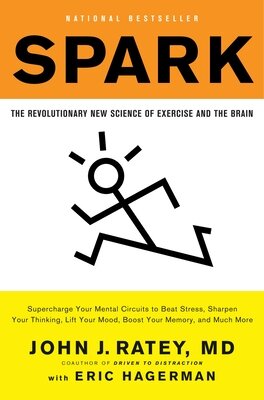
John Ratey and Eric Hagerman begin in a school district outside Chicago, where an unusual physical education program gives them a way to ask how movement affects learning. They follow that question into research on attention, stress and mood. Classroom reporting, clinical stories and explanations of changes in the brain give the book three different ways to examine what happens during and after exercise.

Teemu Arina, Olli Sovijärvi and Jaakko Halmetoja introduce readers to adapting health routines to their own circumstances. They bring together science, diet and tools for observing everyday behavior, with the aim of turning a large range of possible interventions into a manageable plan. This introductory work is distinct from their larger reference handbook.
Protocolos
(9)Meditación diaria de la conciencia
Diez minutos de notar su atención vagaban y la traían de vuelta.
Andrew Huberman
- 1 hábito
- En curso, 10 min/día
- Gratis
NSDR / Yoga Nidra
Veinte minutos acostado, la mejor herramienta de recuperación que no es dormir.
Andrew Huberman
- 1 hábito
- En curso, 10-20 min
- Gratis
- 2 hábitos
- En curso, 1-2 min dos veces al día
- Gratis
Exposición deliberada al frío
Una ducha fría es gratis, la bañera de inmersión es de 3.000 dólares, la evidencia apenas los distingue.
Andrew Huberman
- 1 hábito
- En curso, 2-5 min, 3-4×/semana
- Gratis
Periodismo de gratitud
Tres cosas específicas, tres veces a la semana. La especificidad es el ingrediente activo.
Ryan Holiday
- 1 hábito
- En curso, 5 min, 3×/semana
- Gratis
Recordatorio de identidad
Vuelve a leer en quién te estás convirtiendo, en los segundos antes de decidir.
James Clear
- 1 hábito
- En curso, 1 min/día
- Gratis
Artículos
(16)Duchas frías y dopamina: qué muestran los estudios sobre el cerebro
# Inmersión de agua fría y dopamina: separación de la ciencia de Hype La exposición al frío se ha convertido en una piedra angular de la cultura moderna del biohacking, con entusiastas que afirman que re...
Escribir un diario para ganar claridad mental: técnicas y evidencia
Una página en blanco puede convertir una decisión en un ensayo no estructurado de la misma preocupación.
Bloques de tiempo y trabajo profundo
Un bloque de tiempo asigna una tarea a un lugar en el calendario.
Psicodélicos y salud mental: estado de la investigación
La investigación sobre psicodélicos para la salud mental a menudo combina una sustancia particular con exámenes de detección, sesiones supervisadas y apoyo de seguimiento.
El nervio vago y la respuesta de calma del organismo
El nervio vago transporta señales entre el cerebro y varios órganos.
Meditación para escépticos: la atención plena desde la neurociencia
Los estudios de conciencia a menudo preguntan si la gente nota y redirige la atención o reporta menos angustia.
Terapia cognitivo-conductual: entrenamiento mental basado en la evidencia
La terapia cognitiva conductual examina cómo una interpretación influye en los sentimientos y las acciones.
Meditación de atención plena: guía para empezar
Para una primera sesión de atención plena, elija un ancla común, como la sensación de que sus pies tocan el suelo.
Escribir un diario para pensar con claridad: técnicas estudiadas
Una entrada de diario puede distinguir lo que sucedió de la historia adjunta a ella.
Respiración en cuatro tiempos para regular el sistema nervioso
La respiración de la caja le da a la atención un patrón repetido: una inhalación, una pausa, una exhalación y otra pausa.
Estoicismo en la vida cotidiana
Los escritores estoicos distinguen lo que una persona puede influir de lo que sucede fuera de su control.
Ayuno de dopamina: ciencia y exageraciones
La dopamina ayuda al cerebro a aprender qué señales predicen recompensas.
Adaptógenos vegetales y respuesta al estrés
En un ensayo de un suplemento de estrés, los participantes también pueden dormir de manera diferente, cambiar su carga de trabajo o esperar alivio.
Técnicas de meditación para reducir el estrés
Los métodos de meditación dan atención a diferentes trabajos.
Resiliencia mental y exposición al frío
La exposición al frío a veces se enmarca como una prueba de resolución.
Desarrollar la resiliencia mental mediante desafíos voluntarios
Un reto manejable puede ser un ensayo por un momento difícil.
Explora otros pilares
Liberture reúne seis pilares interconectados del rendimiento humano