
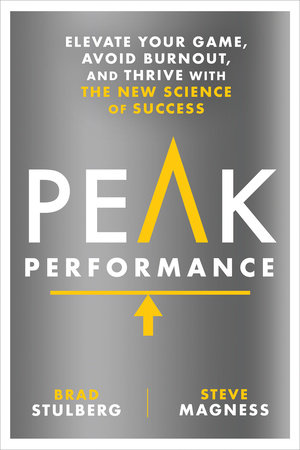
Brad Stulberg and Steve Magness look for common features of sustained performance in athletics, creative work and other demanding fields. They use training and recovery to explain why periods of concentration need periods of rest. Interviews and research examples also examine purpose, routine and the conditions under which effort turns into burnout.
Trabajo y cognición
Mejora la concentración, la memoria y el aprendizaje.
Personas
(65)
Andrew Huberman
Neuroscientist & Professor
Andrew Huberman is a neuroscientist and host of Huberman Lab, a podcast about neuroscience and human behavior.
Bryan Johnson
Entrepreneur & Biohacker
Bryan Johnson founded the payments company Braintree and later Kernel, a company that develops tools for measuring brain activity. With Blueprint, he turned the focus of measurement on himself: he records what he eats, how he sleeps and trains, and how his test results change over time.

David Sinclair
PhD, Professor of Genetics
David Sinclair is a geneticist who studies aging and co-wrote Lifespan.
Peter Attia
MD, Longevity Expert
Peter Attia is a physician and co-author of Outlive. His work covers exercise, preventive medicine and aging.

Rhonda Patrick
PhD, Biomedical Scientist
Rhonda Patrick is a biomedical scientist and co-founder of FoundMyFitness. She uses long-form interviews and research explainers to examine questions about micronutrients, exercise, heat exposure and aging. A recurring feature of her work is following a proposed mechanism from what happens inside a cell to what researchers can actually measure in people.
Alisa Vitti
Author
Alisa Vitti founded FLO Living and wrote WomanCode and In the FLO. The second book takes the menstrual cycle as its organizing principle. Vitti walks readers through its phases and describes how she adjusts meals, exercise and work around them. Her term for that approach is “cycle syncing.”
Libros
(13)
Teemu Arina, Olli Sovijärvi and Jaakko Halmetoja introduce readers to adapting health routines to their own circumstances. They bring together science, diet and tools for observing everyday behavior, with the aim of turning a large range of possible interventions into a manageable plan. This introductory work is distinct from their larger reference handbook.

Peak Performance
Elevate Your Game, Avoid Burnout, and Thrive with the New Science of Success
Brad Stulberg and Steve Magness
Brad Stulberg and Steve Magness look for common features of sustained performance in athletics, creative work and other demanding fields. They use training and recovery to explain why periods of concentration need periods of rest. Interviews and research examples also examine purpose, routine and the conditions under which effort turns into burnout.

Charles Duhigg follows habits at three scales: individuals, organizations and social movements. Stories about product marketing and workplace safety sit alongside his account of cues, routines and rewards. He returns to the question of how discovering the reward behind a repeated action can open the way to changing the routine.

Dave Asprey draws on interviews from his Bulletproof Radio podcast to compare how guests make decisions, protect attention and recover from demanding work. He arranges their experiences into principles about performance and well-being. The examples range across careers, giving readers several accounts of what people did with their time and energy.

Stealing Fire
How Silicon Valley, the Navy SEALs, and Maverick Scientists Are Revolutionizing the Way We Live and Work
Steven Kotler and Jamie Wheal
Steven Kotler and Jamie Wheal investigate the pursuit of altered states in military training, business and counterculture. They visit groups that use intense experiences to change attention or group coordination and trace the technologies used to reproduce those experiences. Their reporting also considers what happens when the pursuit becomes an end in itself.
Protocolos
(9)Bloques de trabajo profundos
Un bloqueo de 90 minutos sin distracciones en lo más difícil que tienes.
Cal Newport
- 2 hábitos
- En curso, 60-90 min/día
- Gratis
Principios de atención, diario
Un minuto sobre por qué el enfoque importa, leer antes del bloque que lo necesita.
Cal Newport
- 1 hábito
- En curso, 1 min/día
- Gratis
- 1 hábito
- En curso, de 1 a 2 bloques por día
- Gratis
Reestablecimiento del minimalismo digital
Treinta días fuera de la tecnología opcional, luego añadir de nuevo sólo lo que gana su lugar.
Cal Newport
- 1 hábito
- 30 días, luego en curso
- Gratis
Método Pomodoro
Veinticinco minutos, cinco fuera, el representante de nivel de entrada para el enfoque.
Francesco Cirillo
- 1 hábito
- En cada sesión de trabajo
- Gratis
El ritual de cierre
Terminar el día de trabajo a propósito, así que la noche es en realidad una noche.
Cal Newport
- 1 hábito
- En curso, de 5 a 10 minutos por día
- Gratis
Artículos
(15)Seis hábitos intestinales que podrían influir en el envejecimiento biológico
# 6 Hábitos de Gut respaldados por la ciencia para un envejecimiento biológico lento El envejecimiento no se trata sólo del reloj de tiempo-el microbioma intestinal juega un papel fundamental en la modulación **inflamación**, **regeneración de células madre**,...
Tocar música, leer y escribir podrían retrasar el envejecimiento del cerebro
# La formación musical como estrategia cognitiva de la longevidad: cómo la práctica de la música durante toda la vida preserva la eficiencia cerebral ## El desafío del envejecimiento del cerebro en entornos ruidosos A medida que envejecemos, nuestros cerebros se enfrentan a un aumento...
Cómo cambiar malos hábitos con ayuda de la neurociencia
# Rompiendo los malos hábitos: un marco basado en la neurociencia para un cambio duradero La fuerza de voluntad está sobrevalorada. Cuando se está luchando contra un hábito persistente, ya sea que esté buscando bocadillos azucarados, compulsivamente comprobando...
Adaptógenos: plantas estudiadas por su relación con el estrés
“Adaptogen” es una amplia etiqueta aplicada a plantas vendidas por estrés o fatiga.
Ritmos ultradianos: organizar el trabajo en ciclos de 90 minutos
Los ritmos ultradianos se repiten a intervalos más cortos que un día.
Combinaciones de nootrópicos: qué dice la evidencia
La combinación de varias sustancias en una pila hace difícil la interpretación de una respuesta individual.
La ciencia del estado de flujo: cómo facilitar la concentración profunda
El flujo describe un período de absorción profunda en una actividad.
Monohidrato de creatina: más allá del desarrollo muscular
La creatina ayuda a reponer la moneda de energía utilizada durante esfuerzos breves y exigentes.
Precursores del NAD+: NMN y NR en la investigación sobre longevidad
La NAD está involucrada en la transferencia de energía celular.
El hongo melena de león y la investigación sobre neurogénesis
La melena del león es un hongo comestible estudiado para los compuestos que pueden influir en la señalización relacionada con los nervios.
Treonato de magnesio y rendimiento cognitivo
El treonato de magnesio se comercializa para la cognición.
L-teanina y ondas cerebrales alfa
La L-teanina es un aminoácido que se encuentra en el té.
L-teanina y cafeína para la concentración
El té combina naturalmente cafeína y L-teanina en diferentes cantidades.
Rhodiola rosea, estrés y resistencia física
Rhodiola rosea se comercializa para la fatiga y el rendimiento del ejercicio.
Ácidos grasos omega-3: diferencias entre DHA y EPA
La EPA y el DHA son omega de cadena larga3 ácidos grasos que se encuentran en los mariscos y algunas fuentes de algas.
Explora otros pilares
Liberture reúne seis pilares interconectados del rendimiento humano